Rather than choosing a stationary location for observation, I decided to journey around the entirety of Trent’s campus in an effort to sought out a wider variety of birds. I began on the west bank of campus walking through Champlain’s quad and onto Bata Podium. There was not much to see from the podium, so I continued behind Bata Library along the Otonabee River. Along the river, I saw a black-capped chickadee in an adjacent tree as well as a black-tailed gull flying overhead. I eventually circled back and crossed the bridge to the east bank of campus where I did a loop around the far side of Otonabee College, up to the DNA building and around Gzowski College. The only bird I was able to see on the east side of the river was the house sparrow. There was overcast and some rain occurring at the time, so the birds were not as easy to spot as they may normally be. However, the birds that were in the area could be heard all over campus.


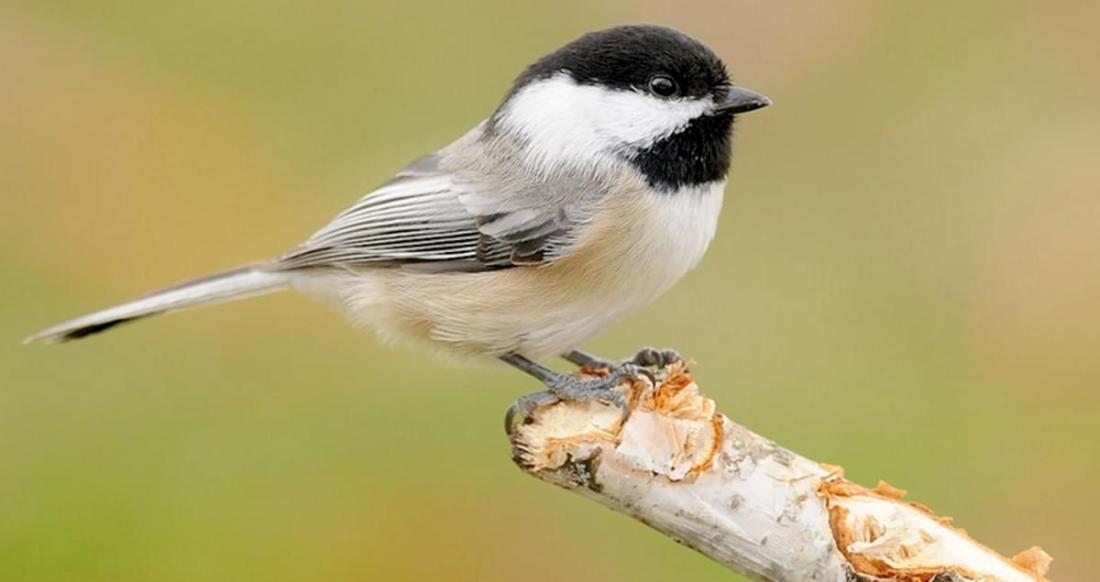
The first bird I was able to spot was the Black-capped Chickadee. This bird is easy to identify due to its unique pattern of black and white as well as its round and over-sized head (1). It comes as no surprise that this bird was the first that I spotted as it is arguably the most commonly found bird in Ontario and can be found year-round. Their call can be heard almost constantly around campus as an approximately one second long high-pitched chirp followed by one or two more slightly lower pitched faster chirps. I enjoyed watching these birds as they are undoubtedly curious about their surroundings and are constantly moving around. One of the chickadees actually followed me through a couple of trees before returning to the tree I initially spotted it in. Although they may not be the most exciting bird to spot in the wild, I found that the chickadees are extremely fun to observe due to their sheer amount of energy and curiosity.
allaboutbirds.org
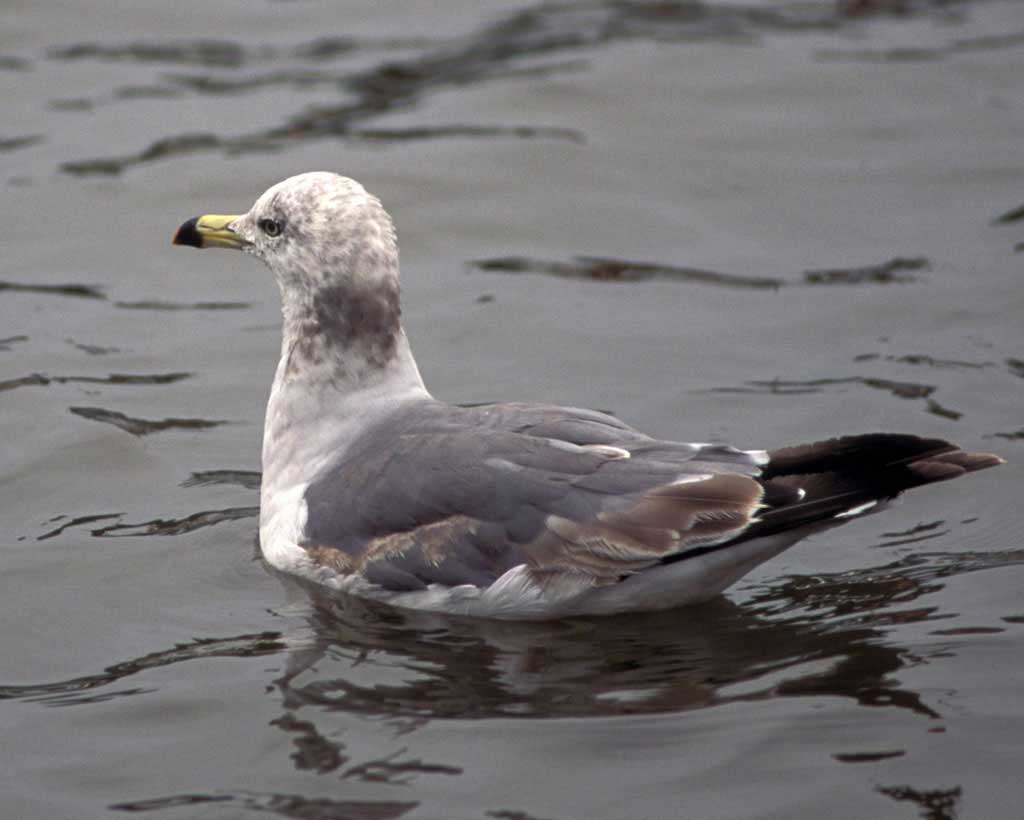
The second bird I saw was a Black-tailed Gull. There are many different species of gulls, but the black-tailed is extremely abundant throughout North America (2). They almost always will have a white body and head with dark wings and a black tail. There can be some variance in the patterning on the wings as some will have a dark grey whereas others will have a lighter brown. The wings can also have a spotted pattern or be solid in colour. These birds are normally heard before they are seen which made spotting this bird that much easier. They let out a single high-pitched chirp that lasts close to two seconds long along with some lower pitched “kaoo kooo” sounds. The gulls were not nearly as interesting to watch as the chickadees as they were often stationary or going after food. This could sometimes be fun to watch when multiple gulls close in on the same food source, but I did not follow them long enough to see this occur.
audubon.org
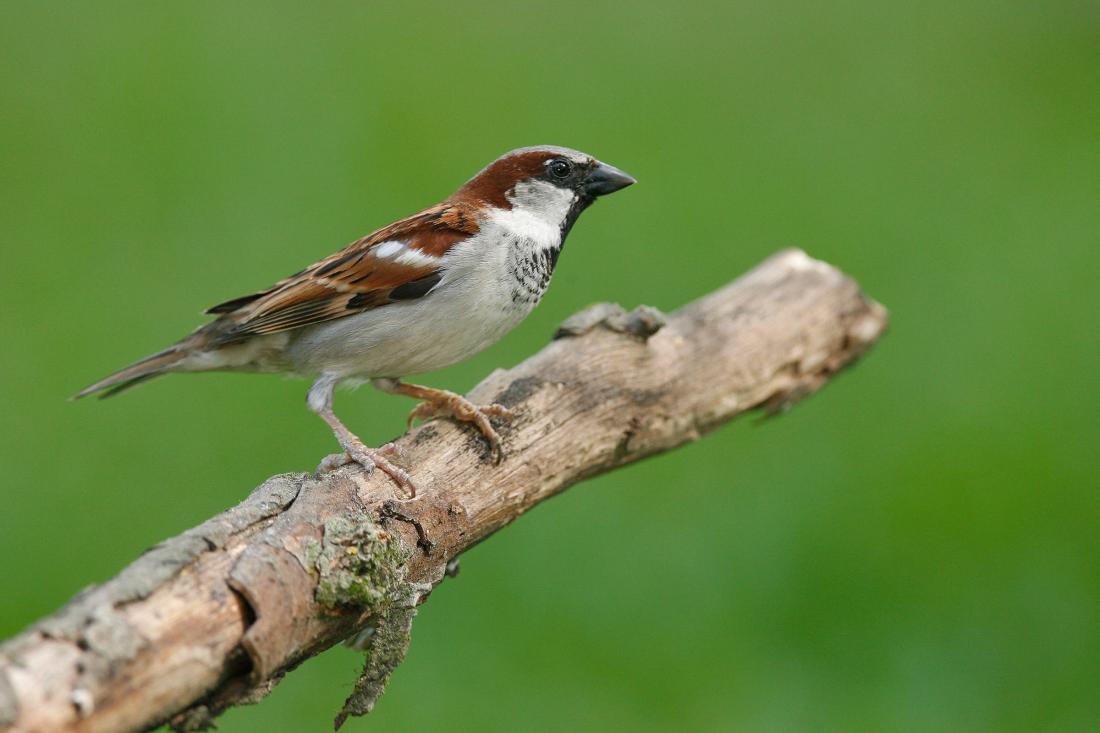
Lastly, on the east bank of Trent’s campus, I came across a House Sparrow. This bird was difficult to distinguish from the chickadee at first due to its size, but at a closer look its easy to see the darker brown and black colours that are present on its back. Along with this, its call is vastly different from that of the chickadee’s, being deeper in pitch and only a single chirp each time (1). I found it much more difficult to observe these birds as they are obviously darker than the chickadee, but they also seemed to stay hidden in the trees more as well. While I enjoyed hearing and watching the sparrows, I wish they would have been more social with humans similar to the way the chickadees were.
audubon.org
Even though there were not many birds available to see, being able to walk around and listen to the birds was an experience I am thankful I got to have. If I was not searching for these birds, I would have likely not even noticed the calls as I am sure I do every other day I am there. I believe there is something to be said for the socialness of the chickadee and its willingness to make itself known just so it can observe you in return. In my opinion, they are the best birds to listen to at campus because of their plentiful numbers. Walking by trees full of chickadees and just listening was the best part of my walk.
Overall, I came across multiple birds around campus; the Chickadee, the Black-tailed Gull and the House Swallow. The Chickadee was the most significant encounter to me as I felt that the bird shared an interest in me similar to the one that I had for it. I saw this when one of the Chickadees followed me through some of the trees along the walkway. I am glad I took the time to walk around my campus and observe the birds that I did, and I would recommend to anyone who frequents the Trent campus to at least listen for the Chickadees and other birds that are around singing.
Works Cited

 ASCI 2001 Observational Field Report